Home / Gates Near Carlsbad Canyons: Brush Clearance and Fire-Hardened Materials
Gates Near Carlsbad Canyons: Brush Clearance and Fire-Hardened Materials
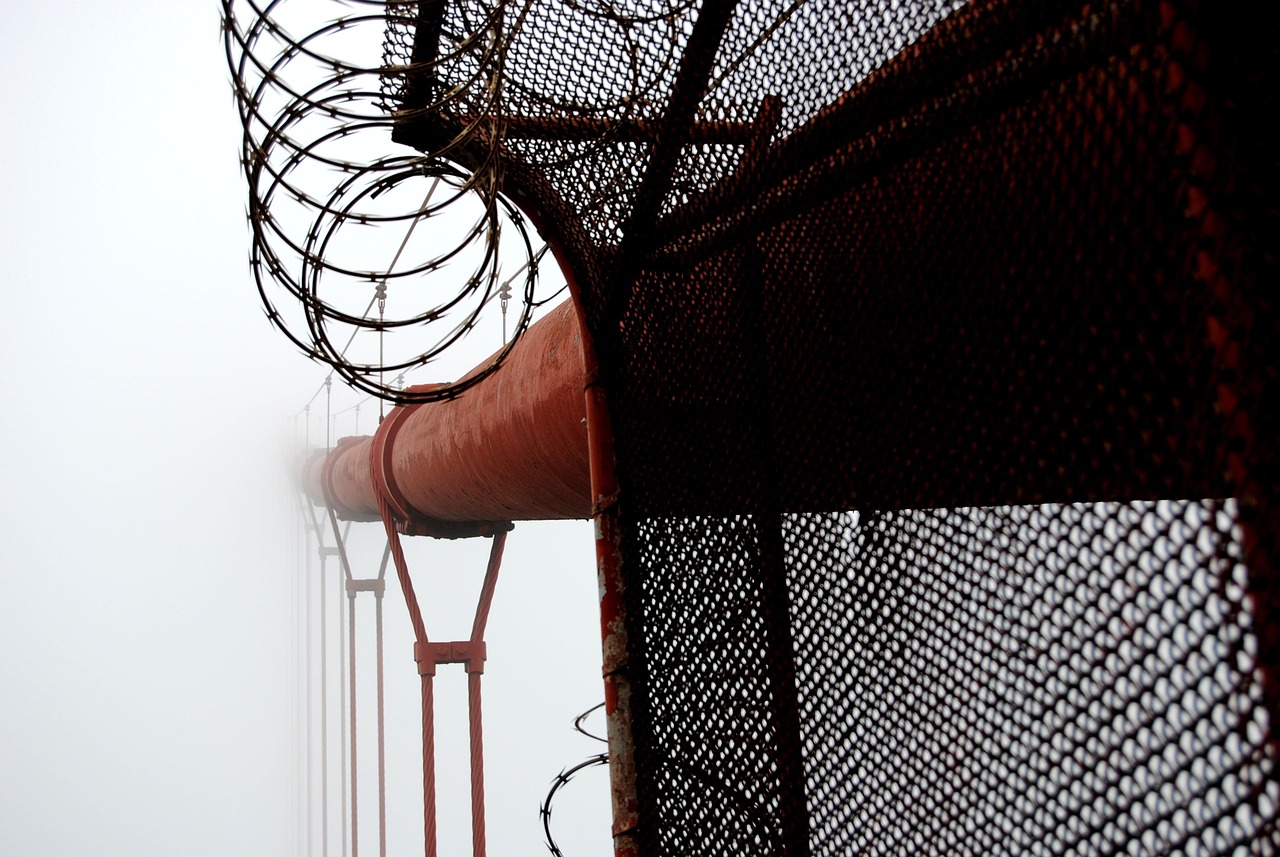
A gate on a canyon-edge lot in Carlsbad faces a different set of risks than a gate on a street-facing tract lot. The steel may be identical, but the surroundings are not, and in dry seasons those surroundings decide how the gate behaves when a fire front or a shower of embers arrives.
Why canyon lots are treated differently
Carlsbad's coastal canyons and protected open space hold native shrubs that dry out by late summer. Homes that back onto them in neighborhoods such as La Costa and parts of Aviara sit next to fuel, and fire agencies pay close attention to what stands between that fuel and the house. A gate is part of that boundary. It is also often the way a hose crew, a resident or an engine company gets from the street to the back slope.
The coast keeps a mild marine layer through much of the year, which makes the dry season easy to forget. When Santa Ana wind season arrives, the air flips: low humidity, strong gusts from the east and embers that can travel well ahead of a flame front. Planning a gate for those few days of the year is what canyon-edge ownership asks.
Brush clearance and the gate line
Fire agencies in San Diego County ask owners to maintain cleared zones around structures, with the nearest band kept very low in fuel and a wider band thinned and maintained. The specific distances and plant guidance come from the local fire authority, so the dependable step is requesting their current brush management guidelines for the address.
Where this touches a gate:
- A gate that sits inside the nearest cleared band can be treated as part of the house boundary, so wood or plastic trim on it is a weak point.
- A gate on the outer edge, opening onto a maintenance path, may sit in the thinned zone, where plants are spaced and trimmed rather than removed.
- A side gate between the house and the slope is often the shortest route for a crew with a hose, so its swing path must stay free of plants and stored items.
Choosing fire-hardened materials
Steel does not ignite, and that gives metal gates a head start over wood. It can still warp under sustained heat, and its coating can blister. A bare steel frame with a powder coat is a reasonable choice. Aluminum melts at a lower temperature than steel, so owners in the highest hazard areas sometimes prefer steel for the frame itself, with the decision made alongside the fire office rather than guessed.
The weak points are usually the extras:
- Wood infill or trim: cedar slats or a wood cap rail can catch embers, especially where leaves collect in corners.
- Vinyl or plastic components: some mesh liners, caps and cable sleeves melt or burn.
- Gaps and ledges: any horizontal shelf traps debris, and burning debris sets whatever it touches alight.
- Gas or foam seals: weatherstripping on a solid panel gate can burn from the inside out.
Keeping the design simple, with few ledges, no wood and tight welded joints, tends to perform better than any single special feature.
The wall of embers problem
Most homes lost in wildfires ignite from embers, not from the main flame. Embers land in gutters, in vents and against anything with a corner to collect them. A solid wooden fence that joins the house is a known pathway, because fire can run along it straight to the siding. Many fire-aware designs place a metal gate or a short non-combustible section where a fence meets the house, which breaks that fuse.
That is a useful rule for a Carlsbad side yard: the final few feet of fence before it touches the building should be metal or masonry rather than wood. A steel gate between a wooden fence and the wall provides exactly that break.
Mechanical parts in a hot, windy place
Gate operators and wiring need thought as well. Exposed plastic conduit near a canyon edge can fail in heat, so buried or metal conduit is preferable. An operator that loses power during a wind event should have a battery backup and a manual release the crew can find easily. A gate stuck closed on a hillside driveway can trap residents who are trying to leave and block responders trying to arrive.
Wind itself is a hazard. A solid panel gate catches Santa Ana gusts like a sail, and an unlatched leaf slamming against a stop can damage hinges and posts. Open picket designs shed wind better, while privacy panels need heavier hinges and a firm latch. The hinges and stops are also worth checking after any storm.
Plants near the opening
Landscaping choices around a gate matter more than owners expect. Dense ornamental grasses, juniper and untrimmed hedges feed a fire at ground level. Succulents, well-watered turf and bare gravel paths slow it. Mulch laid against a gate post can smolder for hours, so a band of gravel or pavers beside the posts is a safer finish. The point is to keep the first few feet around the gate from carrying flames toward the steel and the home beyond it.
Salt air, heat and finish together
Coatings that survive the coastal climate also have to survive heat. Galvanizing plus a quality powder coat is a standard answer to salt, and neither adds a combustible layer worth worrying about, though a coating exposed to intense heat may discolor or peel. Owners sometimes plan a touch-up after any fire event even when the gate seems fine, because exposed bare steel starts to rust quickly in the marine layer.
A short planning sequence for canyon-edge owners
- Request the current brush management requirements from the local fire authority.
- Walk the property line and mark where a gate would sit relative to the cleared zones.
- Choose all-metal construction with minimal ledges and no wood or plastic trim.
- Decide on emergency release, battery backup and a lock box with the fire office.
- Check the swing path, the sight lines and the clear width.
- Plan the landscaping around the gate so it supports the plan rather than undermining it.
Owners who do this once, early, end up with a gate that is simpler to approve, easier to maintain and far more likely to stay standing through a hard Carlsbad fire season. The explainers on this site about defensible space, wood against metal and fire resistant materials cover the underlying logic in more detail.